






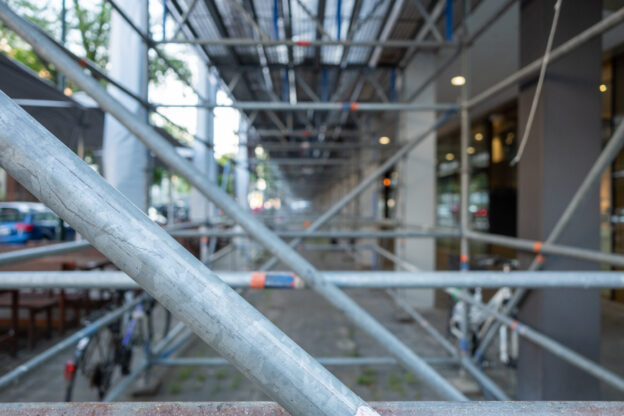
Using the NYC Scaffolding Map to Stay Safe Around Sidewalk Sheds
The New York City Department of Buildings recently made it easier for the public to track construction activity by providing an online map showing the location of active sidewalk sheds across the five boroughs. This map allows pedestrians and cyclists to see where protective structures are currently installed and better plan their routes through the city.
Sidewalk sheds, or better known as scaffolding, are temporary structures built to protect people and property during construction, demolition, and building repairs. While these structures are intended to shield the public from falling debris, accidents can still happen. When someone is injured in or around a construction zone, they may have the right to pursue compensation through a construction accident claim.
Why Sidewalk Sheds Are Installed
Property owners in New York City are required to install a sidewalk shed when certain construction conditions exist. A shed must be installed when:
- Constructing a building more than 40 feet high
- Demolishing a building more than 25 feet high
- A hazardous building condition requires public protection
A sidewalk shed in NYC cannot be built without prior approval and a valid work permit from the Department of Buildings. In situations involving an immediate safety threat, a property owner may install the shed first and submit a permit application within 24 hours.
If the shed extends into the street, additional authorization from the NYC Department of Transportation may be required. Sidewalk shed permits are typically valid for one year or until the contractor’s insurance expires, whichever occurs first. Failure to renew a permit can result in significant financial penalties.
Safety Requirements and Regulations
All sidewalk sheds must comply with New York City Building Code requirements. These standards are designed to protect pedestrians who travel beneath them and to reduce the risk of injury.
Key requirements include:
- A minimum width of five feet to allow pedestrian traffic
- At least eight feet of overhead clearance
- Adequate lighting within the passageway at all times
- Structural decking capable of supporting heavy loads
- No obstruction of fire escapes or building exits
Permit information, including permit numbers and expiration dates, must be posted in a visible location. Advertising is generally prohibited on these structures, except in limited situations where an existing legal business sign is blocked.
Although these regulations are in place to improve safety, sidewalk sheds can create narrow walkways, reduced visibility, and congested conditions. These factors may increase the risk of trips, falls, collisions, or injuries caused by falling objects.
How Pedestrians and Cyclists Can Stay Safe
If you regularly travel through Brooklyn or other parts of the city, reviewing the city’s online map before heading out may help you anticipate construction areas. While it may not always be possible to avoid every sidewalk shed in NYC, awareness can help reduce your risk.
To protect yourself:
- Stay alert and avoid distractions while walking under scaffolding
- Be cautious in dimly lit or crowded passageways
- Watch for active overhead construction
- Slow down when approaching narrow pedestrian corridors
Cyclists should always wear a properly fitted helmet. A helmet may reduce the severity of a head injury in the event of falling debris or a collision caused by limited visibility near a construction site.
Work with an Experienced Brooklyn Construction Accident Lawyer
Despite safety regulations, injuries still occur around construction zones and sidewalk sheds. Falling tools or materials, unsafe work practices, poor lighting, or obstructed sightlines can all contribute to serious accidents.
If you have been injured because of a scaffold or sidewalk shed, whether due to falling debris or a collision related to reduced visibility, you may be entitled to seek compensation for your medical expenses, lost wages, and other damages.
To learn more about your rights as an injured victim, contact Brooklyn construction accident lawyer Jeffrey K. Kestenbaum at 718-237-5586 to schedule a consultation at our office.

