A person ordering a ride on their smartphone.

What Can I Do as a Passenger in a Rideshare Accident?


Posted on November 20, 2017 by

Rideshare companies like Uber, Lyft, and Juno have changed how people in the United States and around the world get around. Before, your transportation options in New York City were generally:

  • Walk
  • Take the subway
  • Ride a bus
  • Hail a yellow cab

Each of these has its pros and cons. One of the greatest cons of riding a cab is its high price. Now, rideshare cars permeate the roadways, giving carless New Yorkers a fast, affordable alternative to the options above.

Continue reading

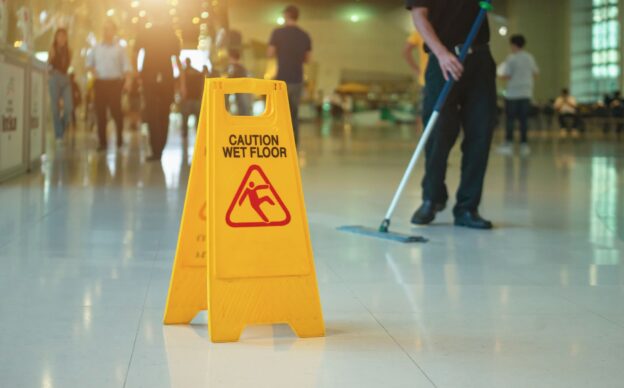
A person mopping behind a wet floor sign.

Brooklyn Wet Floor Slip & Fall Lawyer


Posted on October 27, 2017 by

Who’s Liable After a Wet Floor Slip and Fall in Brooklyn?

Wet floors can be a scary situation for employees and customers alike. After all, wet and slippery floors are the most common causes of slips, trips, and fall accidents. If you’re an employee, a resident or a property manager, it’s important to understand wet floor regulations and premises liability laws so that you can take action if you have been a victim of a slip and fall.

Proving slip and fall wet floor liability is the key to holding negligent parties accountable and recovering the financial compensation you deserve. At the Law Office of Jeffrey K. Kestenbaum, we help individuals and families throughout Brooklyn and New York City pursue the compensation they deserve after wet floor and slip-and-fall accidents caused by unsafe property conditions.

What to Do Immediately After a Slip and Fall on a Wet Floor

If you are injured because a business failed to maintain safe premises, the steps you take immediately after the accident can make or break your premises liability claim against aggressive commercial insurance adjusters:

  • Document the Scene: Photograph the accident scene by taking photos and videos of the wet floor, the liquid, and the exact placement (or complete absence) of any warning signs to preserve vital evidence.
  • Report the Incident: Alert the store manager immediately and request a written incident report. Do not apologize, minimize your injuries, or say “I’m just clumsy.”
  • Identify Witnesses: Gather the names and phone numbers of anyone who saw you fall or saw the spill before you fell.
  • Seek Medical Care Immediately: Establish a medical paper trail right away. Even if your pain seems minor at first, adrenaline can mask serious injuries.

Determining Slip and Fall Negligence

Determining negligence in a slip and fall accident is not always a straightforward matter. However, while negligence is determined on a case-by-case basis, there are some characteristics of an accident that can indicate negligence by the property manager or the workplace.

For example, the owner may have known the condition existed and failed to correct it. Poorly lit rooms lacking adequate lighting, unmopped bathroom floors, and unattended paint spills are all examples of a slip and fall danger that a property manager should correct.

Furthermore, if a slip and fall danger existed for such a length of time that the property manager should have discovered and corrected it prior to the slip and fall incident in question, this can indicate negligence as well. For a deeper dive into how this works, you can read our guide on understanding premises liability and how a premises liability or personal injury attorney can help.

Common Locations for Wet Floor Accidents

Wet floor hazards can happen anywhere, especially in busy retail stores and other commercial properties, but pursuing a claim against massive corporations requires a specific legal strategy. We routinely handle complex slip and fall cases against major retailers and grocers. Learn more about how we handle claims against major retailers like Target injury claimsHome Depot slip and fall accidents, or local grocery store chains like Wegmans injury cases.

Do Wet Floor Signs Protect Property Managers from Negligence Claims?

Wet floor signs in the area, warning customers and employees of the hazard, can dispel negligence and civil liability as they raise awareness of a slip and fall danger and reduce the risk of injury. However, just the presence of a wet floor sign can sometimes not be enough. As discussed above, if the owner does not also make an effort to take reasonable and ordinary care of their property, simply warning foot traffic of an impending slip and fall danger may not completely erase or shield the owner from liability in the accident.

Businesses have a duty to keep conditions safe for every customer and visitor. If a business owner does not take swift action to clean up spills, warn customers through appropriate signage, or even regularly mop an entrance area during a particularly rainy day, this is considered a breach of duty. If this breach of duty causes you to slip and fall and suffer serious injuries, then you should seek professional legal assistance and understand your options.

Understanding New York’s Comparative Fault Rules

A common fear victims have is being blamed for their own fall. For example, if they were looking at their phone or wearing smooth-bottomed shoes when they slipped. Fortunately, under New York civil law, the state uses a pure comparative negligence system. This means that even if a jury finds you partially distracted and 20% at fault for the accident, you can still recover the remaining 80% of your damages from the negligent property owner who left the floor dangerously wet.

Common Injuries and Recoverable Damages

Slip-and-fall accidents on wet floors can cause serious injuries, some of which may require extensive medical treatment and recovery time. Common injuries include:

  • Fractured wrists and arms from trying to break a fall
  • Broken hips and pelvises
  • Concussions and traumatic brain injuries (TBIs)
  • Torn ligaments and herniated discs

When a property owner’s negligence causes a wet floor accident, injured victims may be entitled to compensation for their losses. Recoverable damages can include medical expenses, rehabilitation and physical therapy costs, lost income, reduced earning capacity, and pain and suffering.

Get Legal Help from a Brooklyn Personal Injury Lawyer

While sometimes it’s necessary to clean floors and wipe up spills, businesses have a broad responsibility to follow laws regarding wet floor safety. If you have slipped and fallen on a wet floor that had no warning signs, or signs that were improperly used, seek legal help right away to protect yourself from insurance companies trying to deny your claim.

Call (718) 237-5586 or contact us online to schedule a consultation with an experienced Brooklyn personal injury lawyer today.

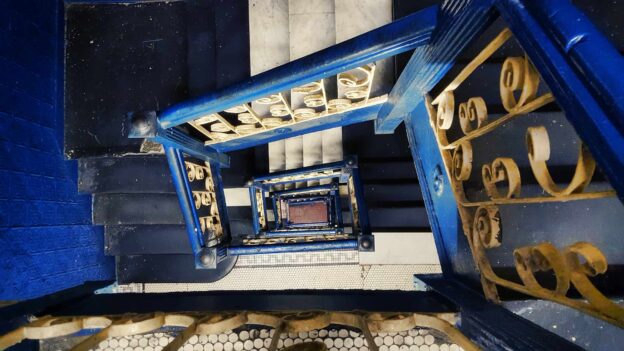
Bird's eye view of an indoor stairwell.

Stairway Accidents in NYC and Who May Be Liable


Posted on October 26, 2017 by

What to Know About Unsafe Stairways and Stair Accidents

Stairways are a part of everyday life in New York City, from apartment buildings and subway stations to office buildings and retail stores. While most people use stairs without a second thought, dangerous or poorly maintained stairways can quickly lead to serious accidents and injuries.

Broken steps, missing handrails, slippery surfaces, and poor lighting are just some of the hazards that contribute to stair-related falls. If a dangerous condition caused your injury, speaking with a stairway accident lawyer may help you understand your legal rights.

At the  Law Office of Jeffrey K. Kestenbaum, we help injured victims throughout Brooklyn and New York City pursue compensation after preventable slip and fall accidents.

Common Stairway Hazards in NYC

Unsafe stairs can be found in apartment buildings, subway stations, parking garages, restaurants, and other public or private properties throughout New York City.

Some of the most common stairway hazards include:

  • Broken or uneven steps
  • Loose stair treads or flooring materials
  • Wet or icy stairways
  • Missing or unstable handrails
  • Poor lighting in stairwells
  • Clutter, debris, or electrical cords on stairs

Curved or unusually angled stairways can also increase the risk of falls, especially when stair dimensions are narrow or difficult to navigate safely.

Dangerous Stairways in Apartment Buildings and Public Spaces

Many Brooklyn apartment buildings rely heavily on stair access, especially older properties without elevators. Carrying groceries, moving furniture, or navigating dim stairwells can increase the risk of falls if stairs are not properly maintained.

Subway station stairways can also become dangerous during rainy or icy weather conditions. Slippery steps, damaged surfaces, and crowded conditions may contribute to serious injuries.

Outdoor stairways require special attention during winter months because snow and ice accumulation can create hazardous walking conditions. Property owners are generally expected to take reasonable steps to address dangerous conditions in a timely manner.

Determining Negligence in Stairway Accidents

Determining liability after a stairway accident often involves examining whether the property owner violated state or city building codes. Under the NYC Building Code, property owners are responsible for maintaining buildings and related structures in a safe and code-compliant condition.

The NYC Building Code establishes minimum safety requirements for interior and exterior stairways, including standards related to stair construction, width, handrails, lighting, and obstruction prevention.

If a staircase fails to meet these requirements and someone is injured as a result, the property owner or manager may be held liable for negligence.

Weather conditions can also play a role in stairway accidents throughout Brooklyn and New York City. During the winter months, wet or icy outdoor stairs can become especially dangerous. Property owners are generally expected to take reasonable steps to remove snow and ice or apply salt and other anti-slip treatments to help prevent accidents.

An experienced Brooklyn stairway accident lawyer can investigate whether unsafe conditions, code violations, or negligent maintenance contributed to your injuries.

How to Prevent Falls on Stairs

While property owners are responsible for maintaining safe stairways, there are also precautions individuals can take to reduce the risk of falls.

Safety tips include walking carefully, using handrails whenever possible, wearing shoes with proper traction, and avoiding distractions while using stairs. During winter weather, extra caution should be taken on outdoor stairways that may be wet or icy.

Good lighting and clear walkways can also help prevent accidents in residential and commercial buildings.

How a Stairway Accident Lawyer Can Help

A fall down unsafe stairs can result in serious injuries, including fractures, back injuries, head trauma, and long-term mobility issues. Medical treatment and missed time from work can quickly create financial stress for injured victims and their families.

A stairway accident lawyer in NYC can investigate the cause of your accident, gather evidence, identify liable parties, and handle negotiations with insurance companies. In some cases, compensation may be available for medical expenses, lost income, pain and suffering, and other damages.

Contact a Brooklyn Stairway Accident Lawyer Today

If you were injured because of broken stairs, unsafe handrails, or hazardous stairway conditions, you may have the right to pursue compensation.

The Law Office of Jeffrey K. Kestenbaum helps clients throughout Brooklyn and New York City navigate complex premises liability and slip and fall claims. We are committed to protecting your rights and helping you recover after a serious accident.

Call (718) 237-5586 or contact us online to schedule a consultation with an experienced stairway accident lawyer today.

Electrician Engineer work tester measuring voltage and current of power electric line in electrical cabinet control.

Electrocution Accidents at NYC Construction Sites


Posted on September 14, 2017 by

When you think of construction accidents, the things that come to mind may include machinery accidents, power tool injuries or falls. However, one of the most common construction accidents is electrocution. In the United States, electrocution is the fourth most common cause of death among construction workers.

Electrocution often leads to critical injuries and even death. Read on to learn how electrocution affects construction workers in New York.

Continue reading

Man rubbing neck after a car accident

What is Comparative Negligence?


Posted on August 15, 2017 by

If you have been injured in a New York car accident, the amount of compensation you can expect to receive will come down to one word: negligence. Basically, negligence refers to someone acting in a careless manner and causing injury to another person. While it seems so simple, it’s much more complicated in the eyes of the law.

Continue reading

A mother supporting their child on the monkey bar set.

When to Call a Playground Injury Lawyer in NYC


Posted on July 14, 2017 by

What Parents Should Know About Playground Injuries

Playgrounds should be some of the safest spaces in New York City, as they are constructed with the safety of kids in mind, but unfortunately, accidents on NYC playgrounds are all too common.

Slip and falls are among the most common causes of playground injuries, often resulting in broken bones, head trauma, and other serious medical issues. If your child was injured because of unsafe playground conditions, speaking with a playground injury lawyer may help you understand your legal options.

At the Law Office of Jeffrey K. Kestenbaum, we help families throughout Brooklyn and New York City pursue compensation after preventable playground accidents.

Common Causes of Playground Accidents

Children can be injured on playgrounds in many different ways. While some accidents are unavoidable, others occur because of dangerous conditions or negligent supervision.

Common causes of playground injuries include broken or defective equipment, slippery surfaces, unsafe swings or climbing structures, poor maintenance, exposed metal or sharp edges, and inadequate safety surfacing beneath playground equipment.

According to Nationwide Children’s Hospital, more than 213,000 children younger than 18 are treated in U.S. emergency departments for playground-related injuries each year. Most playground injuries are caused by falls and commonly involve broken bones, sprains, cuts, and head injuries.

Serious Injuries That Can Occur at Playgrounds

Playground accidents can lead to injuries ranging from minor cuts and bruises to long-term physical trauma. Children may suffer broken bones, concussions, neck and back injuries, sprains, soft tissue damage, and severe lacerations.

In more serious cases, injuries may require surgery, rehabilitation, or ongoing medical treatment. Head injuries can be especially concerning because symptoms are not always immediately visible after an accident.

Who Can Be Liable for a Playground Injury?

Determining liability after a playground accident depends on how the injury occurred and whether a dangerous condition contributed to the incident.

Potentially responsible parties may include:

  • Property owners
  • Schools or daycare facilities
  • Municipalities or parks departments
  • Maintenance companies
  • Playground equipment manufacturers

For example, if playground equipment was broken or improperly maintained and the hazard was ignored, the responsible party may be held liable for negligence.

Claims involving public parks can be especially complex because lawsuits against the city often involve strict filing deadlines and legal procedures. Speaking with an experienced NYC playground accident lawyer as soon as possible can help protect your rights.

What to Do After a Playground Accident

If your child is injured on a playground, taking immediate action can help protect both their health and your potential legal claim.

Parents should seek medical attention right away, even if the injury initially appears minor. It is also important to document the accident scene by taking photos of the playground equipment or the hazardous condition that caused the injury.

If possible, gather witness information and report the incident to the property owner, school, or parks department. Keeping records of medical treatment, expenses, and communications related to the accident can also be helpful later.

How a Playground Injury Lawyer Can Help

A serious playground injury can leave families facing medical expenses, emotional stress, and uncertainty about what comes next.

A playground accident lawyer can investigate how the accident happened, determine who may be legally responsible, gather evidence, and handle negotiations with insurance companies. Legal representation can be especially important in cases involving public property or multiple liable parties.

Depending on the circumstances, compensation may be available for medical bills, rehabilitation costs, pain and suffering, and other damages related to the injury.

Contact a NYC Playground Accident Lawyer Today

If your child was injured because of unsafe playground conditions, you may have the right to pursue compensation.

The Law Office of Jeffrey K. Kestenbaum helps families throughout Brooklyn and New York City navigate complex premises liability and playground accident claims. We are committed to protecting your rights and helping your family move forward after a serious injury.

Call (718) 237-5586 or contact us online to schedule a consultation with an experienced playground accident lawyer today.
A passenger on a bike passing cars

Car and Bicycle Accidents in Brooklyn


Posted on June 22, 2017 by

A car accident can potentially cause one or more victims to suffer severe injuries. These injuries can lead to permanent disability or death. In less dramatic cases, an injury can keep the victim from working for a prolonged period and require him or her to undergo extensive medical treatment.

If you drive or ride a bicycle in Brooklyn, know the laws that apply to your case and how personal injury claims work. You could find yourself facing financial expenses after an accident and considering filing a personal injury claim to seek compensation for them.

Continue reading

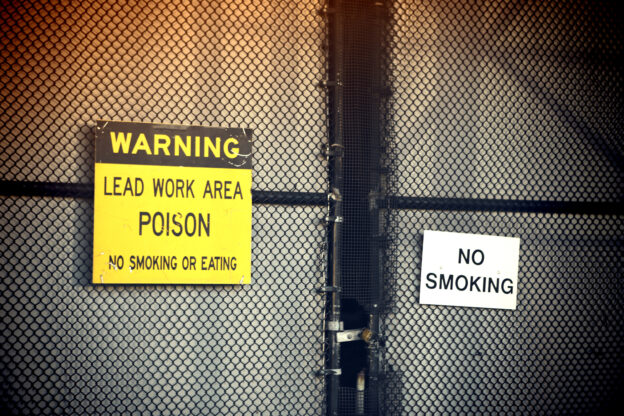
Lead exposure warning sign.

Occupational Exposure to Lead in the Construction Industry


Posted on June 14, 2017 by

Working in the construction industry is the leading cause of lead poisoning in adults. In New York, many buildings are older and contain lead paint, lead pipes, lead in the glaze of ceramic floor tiles, and lead in items around the building, such as ceramic products and jewelry.

OSHA has guidelines in place to protect construction industry workers from lead exposure on the job. When an employer violates these guidelines, workers can suffer from the effects of lead poisoning. Those who suffer from financial damages as a result of their exposure can seek compensation for their damages through construction accident claims.

Continue reading

Rear end collision of two cars.

Auto Accidents Caused by Negligent Car Maintenance


Posted on May 23, 2017 by

As you know, speeding and text messaging while driving are types of driver negligence that can put the driver and others on the road at risk of being injured in an accident. These types of negligence are often mentioned in discussions about car accidents, but they are not the only types of negligence that can lead to car accidents. Vehicle owners have the responsibility to safely maintain their vehicles. When a car owner fails to do this, he or she becomes more likely to cause an accident and potentially injure another motorist, a passenger, a bicyclist, or a pedestrian.

Continue reading

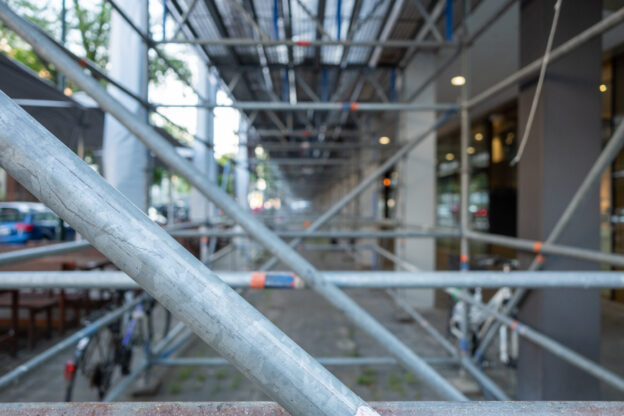
Scaffolding covering a sidewalk.

NYC Scaffolding Map and Sidewalk Shed Safety


Posted on May 16, 2017 by

Using the NYC Scaffolding Map to Stay Safe Around Sidewalk Sheds

The New York City Department of Buildings recently made it easier for the public to track construction activity by providing an online map showing the location of active sidewalk sheds across the five boroughs. This map allows pedestrians and cyclists to see where protective structures are currently installed and better plan their routes through the city. 

Sidewalk sheds, or better known as scaffolding, are temporary structures built to protect people and property during construction, demolition, and building repairs. While these structures are intended to shield the public from falling debris, accidents can still happen. When someone is injured in or around a construction zone, they may have the right to pursue compensation through a construction accident claim.  

Why Sidewalk Sheds Are Installed

Property owners in New York City are required to install a sidewalk shed when certain construction conditions exist. A shed must be installed when: 

  • Constructing a building more than 40 feet high 
  • Demolishing a building more than 25 feet high 
  • A hazardous building condition requires public protection 

A sidewalk shed in NYC cannot be built without prior approval and a valid work permit from the Department of Buildings. In situations involving an immediate safety threat, a property owner may install the shed first and submit a permit application within 24 hours. 

If the shed extends into the street, additional authorization from the NYC Department of Transportation may be required. Sidewalk shed permits are typically valid for one year or until the contractor’s insurance expires, whichever occurs first. Failure to renew a permit can result in significant financial penalties. 

Safety Requirements and Regulations

All sidewalk sheds must comply with New York City Building Code requirements. These standards are designed to protect pedestrians who travel beneath them and to reduce the risk of injury. 

Key requirements include: 

  • A minimum width of five feet to allow pedestrian traffic 
  • At least eight feet of overhead clearance 
  • Adequate lighting within the passageway at all times 
  • Structural decking capable of supporting heavy loads 
  • No obstruction of fire escapes or building exits 

Permit information, including permit numbers and expiration dates, must be posted in a visible location. Advertising is generally prohibited on these structures, except in limited situations where an existing legal business sign is blocked. 

Although these regulations are in place to improve safety, sidewalk sheds can create narrow walkways, reduced visibility, and congested conditions. These factors may increase the risk of trips, falls, collisions, or injuries caused by falling objects. 

How Pedestrians and Cyclists Can Stay Safe

If you regularly travel through Brooklyn or other parts of the city, reviewing the city’s online map before heading out may help you anticipate construction areas. While it may not always be possible to avoid every sidewalk shed in NYC, awareness can help reduce your risk. 

To protect yourself: 

  • Stay alert and avoid distractions while walking under scaffolding 
  • Be cautious in dimly lit or crowded passageways 
  • Watch for active overhead construction 
  • Slow down when approaching narrow pedestrian corridors 

Cyclists should always wear a properly fitted helmet. A helmet may reduce the severity of a head injury in the event of falling debris or a collision caused by limited visibility near a construction site. 

Work with an Experienced Brooklyn Construction Accident Lawyer 

Despite safety regulations, injuries still occur around construction zones and sidewalk sheds. Falling tools or materials, unsafe work practices, poor lighting, or obstructed sightlines can all contribute to serious accidents. 

If you have been injured because of a scaffold or sidewalk shed, whether due to falling debris or a collision related to reduced visibility, you may be entitled to seek compensation for your medical expenses, lost wages, and other damages. 

To learn more about your rights as an injured victim, contact Brooklyn construction accident lawyer Jeffrey K. Kestenbaum at 718-237-5586 to schedule a consultation at our office. 

Page 13 of 16
1 11 12 13 14 15 16